
Why Routine Dental Visits Beat Emergency Care for Long-Term Health
Choosing routine dental checkups over relying solely on emergency care is the most effective strategy for maintaining long-term oral health. Greenleaf Dental in Winter Springs, Florida, emphasizes that preventive care catches issues before they become painful or expensive. This guide explains why scheduled visits are superior to reactive treatment and how they protect your smile.
The Role of Preventive Checkups
Unlike emergency visits, which react to pain or acute injury, preventive checkups are proactive. They allow dentists to assess your bite, check for signs of wear, and evaluate the health of your existing restorations. This systematic approach ensures that minor problems are addressed while they are still manageable and less invasive. For additional details, review the .
Components of a Standard Checkup
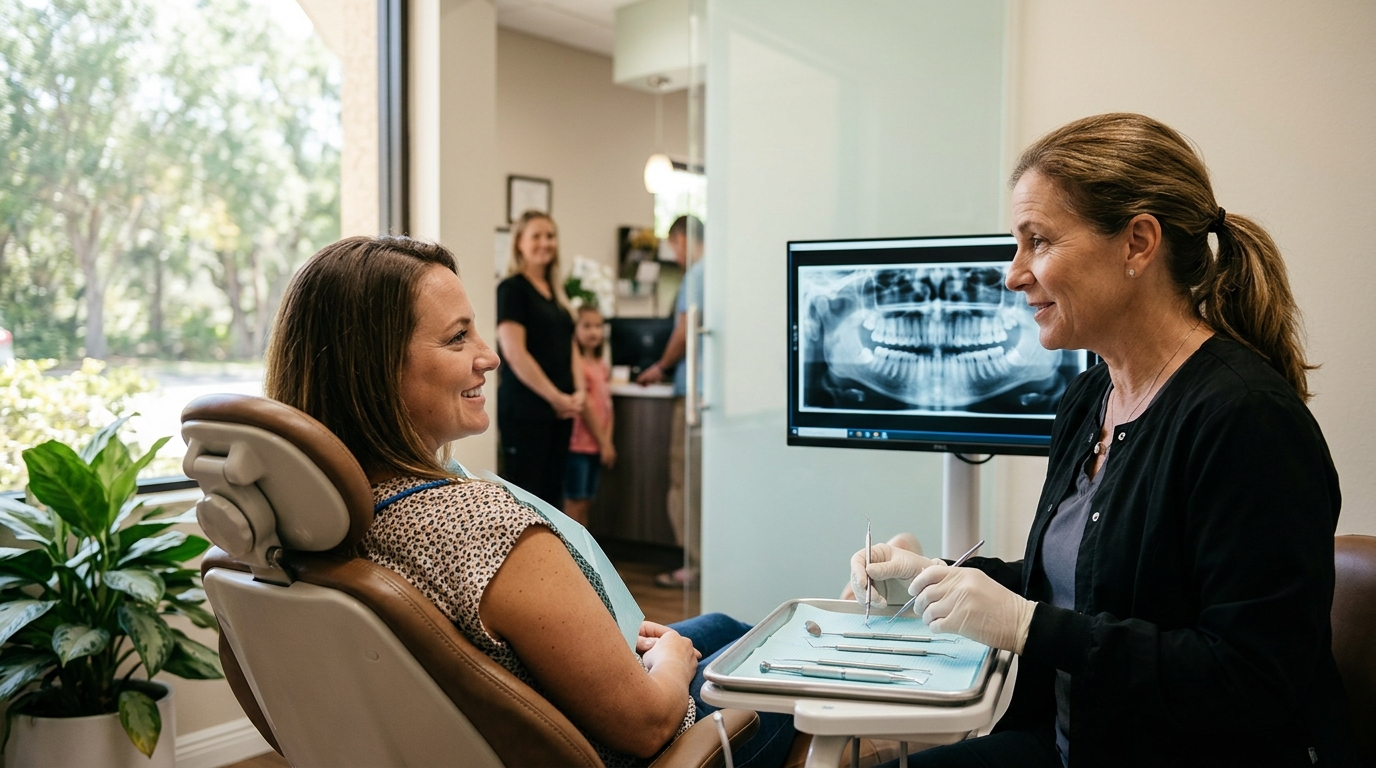
During a routine visit, the dentist performs a visual inspection and may take X-rays to view structures hidden from the eye. The hygienist also measures gum pockets to detect early signs of periodontal disease. This thorough process provides a complete picture of your oral status, which is impossible to achieve during a brief emergency triage. For additional details, review the Customer Experience.
Professional Cleaning Benefits
Professional dental cleaning is a procedure that removes plaque, tartar, and stains from the tooth surface and below the gumline. While daily brushing and flossing are essential, they cannot remove hardened tartar that forms on teeth. Only a dental professional with specialized tools can safely and effectively eliminate this buildup. For additional details, review the Frequently Asked Questions.
Regular cleanings are the cornerstone of preventive dentistry. They help prevent cavities and gum disease by keeping the tooth surface smooth and free of bacterial colonies. At Greenleaf Dental, we tailor each cleaning to your specific needs, ensuring that your gums remain healthy and your teeth feel smooth and clean. For additional details, review the About.
Why Home Care Is Not Enough
Many patients assume that thorough home hygiene is sufficient to maintain oral health. However, tartar forms when plaque mineralizes, creating a rough surface that harbors more bacteria. This cycle accelerates gum inflammation and bone loss if not interrupted by professional intervention. Routine cleanings break this cycle, preserving the foundation of your oral health.
Early Problem Detection
Early problem detection is the process of identifying dental issues at their initial stages, often before symptoms appear. Cavities, gum disease, and oral cancer can develop silently for months. A routine checkup allows the dentist to spot these early signs through visual examination and diagnostic imaging.
Catching a cavity in its earliest stage often requires only a small filling. If left untreated, the same cavity can progress to the nerve, necessitating a root canal or extraction. This difference in treatment complexity and cost highlights the value of regular monitoring. Greenleaf Dental focuses on these early interventions to save your natural teeth and reduce treatment time.
The Silent Nature of Dental Disease
Dental pain is often a late-stage symptom. By the time you feel significant discomfort, the underlying issue may have advanced considerably. For example, periodontal disease destroys bone slowly and painlessly until it reaches a critical stage. Regular visits ensure that these silent threats are identified and managed before they cause irreversible damage.
Emergency Care vs. Routine Visits
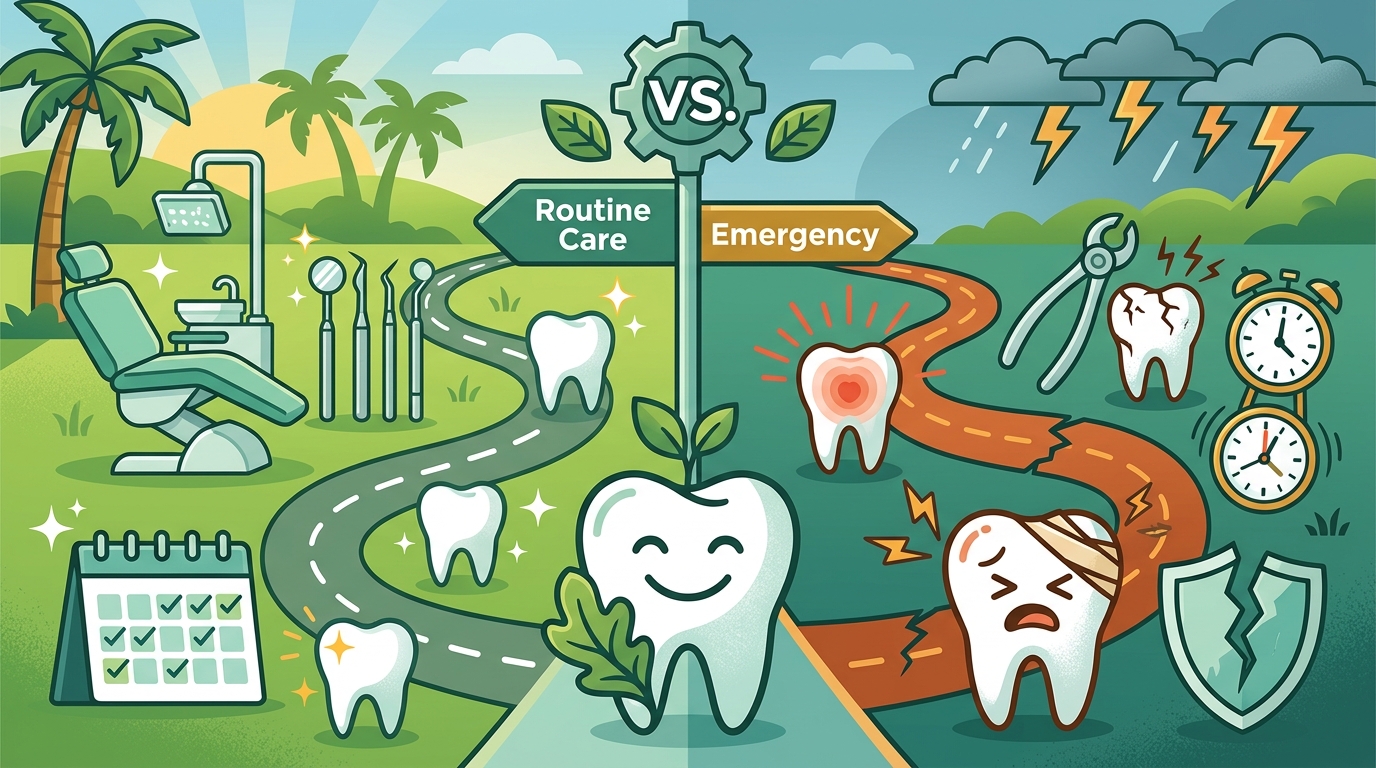
Emergency dental care is designed to address acute pain, trauma, or infection immediately. It is a reactive service that focuses on stabilizing the patient and relieving urgent symptoms. While essential for crises, emergency care does not replace the comprehensive assessment provided by routine visits.
The following table compares the primary differences between routine checkups and emergency dental visits:
| Primary Goal | Prevention and monitoring | Pain relief and stabilization |
| Timing | Scheduled in advance | Immediate or same-day |
| Scope of Exam | Comprehensive full-mouth assessment | Focused on the area of pain or trauma |
| Treatment Complexity | Usually minor and preventive | Often complex and restorative |
| Cost Profile | Predictable and lower | Higher and variable |
Limitations of Emergency-Only Care
Relying solely on emergency care means you only see a dentist when something goes wrong. This approach ignores the underlying causes of dental problems. Without regular monitoring, minor issues accumulate, leading to more severe conditions that require extensive treatment. Emergency care is a safety net, not a health strategy.
Financial Implications of Care Types
The cost difference between preventive care and emergency treatment is significant. Preventive services like cleanings and checkups are generally covered by dental insurance plans at high percentages. They are also the least expensive type of dental care. In contrast, emergency procedures such as root canals, crowns, and extractions are costly and often have lower insurance coverage.
Investing in routine care is a financial strategy that saves money in the long run. By catching problems early, you avoid the high costs associated with advanced disease. Greenleaf Dental helps patients understand their insurance benefits and plan for preventive care to maximize their coverage and minimize out-of-pocket expenses.
Insurance and Preventive Benefits
Most dental insurance plans are designed to encourage preventive care. They typically cover two cleanings and two exams per year at 100%. Using these benefits is the most cost-effective way to maintain your oral health. Ignoring these scheduled visits can lead to higher deductibles and co-pays for restorative work later on.
When Emergency Care Is Necessary
While emergency care is vital, it should not be the primary mode of dental interaction. It is a response to failure, not a maintenance plan. Patients who maintain a routine care schedule are less likely to experience dental emergencies. When an emergency does occur, having a trusted dentist who knows your history can speed up the treatment process.
Signs You Need Emergency Attention
Seek emergency care if you experience unrelenting toothache, facial swelling, or bleeding that will not stop. Trauma to the face or teeth also warrants immediate evaluation. Do not wait for these symptoms to resolve on their own, as they can indicate serious underlying issues that require professional intervention.
Preventing Dental Disease
Dental disease prevention is the practice of taking steps to avoid the development of cavities, gum disease, and other oral conditions. This involves a combination of professional care and daily home habits. Regular visits to Greenleaf Dental are a key component of this prevention strategy, providing the expertise and tools needed to maintain a healthy mouth.
Prevention is always easier and less costly than cure. By committing to a routine care schedule, you take control of your oral health. This proactive approach reduces the risk of developing chronic conditions that can affect your overall well-being. It also helps you maintain a confident smile for life.
Building a Preventive Routine
Building a preventive routine starts with scheduling your next checkup. Combine this with consistent brushing, flossing, and a balanced diet. Your dentist can provide personalized advice based on your risk factors. This tailored approach ensures that your prevention strategy is effective and sustainable.
Key Takeaways
- Routine checkups are proactive and monitor overall oral health, while emergency care is reactive and addresses acute issues.
- Professional cleanings remove tartar that home care cannot, preventing gum disease and cavities.
- Early detection during routine visits allows for simpler, less invasive, and less expensive treatments.
- Preventive care is generally covered more generously by insurance than restorative emergency procedures.
- Emergency care is essential for trauma and severe pain but should not replace regular maintenance.
- Dental diseases often develop silently, making regular monitoring critical for early intervention.
- Investing in preventive care is a long-term financial and health strategy that saves money and preserves natural teeth.
Frequently Asked Questions
How often should I schedule a routine dental checkup?
Most patients should schedule a routine checkup and cleaning every six months. Your dentist may recommend more frequent visits if you have specific risk factors for gum disease or cavities.
Can I skip routine visits if I have no pain?
No. Dental problems often develop without pain. Skipping routine visits can allow minor issues to progress into severe conditions that require complex treatment.
Is emergency dental care covered by insurance?
Emergency care is often covered, but the benefits may differ from preventive services. Restorative procedures associated with emergencies may have higher out-of-pocket costs.
What is the main difference between a cleaning and a checkup?
A cleaning focuses on removing plaque and tartar, while a checkup involves a comprehensive examination of your teeth and gums to detect problems.
Does Greenleaf Dental offer emergency services?
Yes, Greenleaf Dental provides emergency dental care for patients in Winter Springs, Florida, when other offices may be closed.
How can I prevent dental disease?
You can prevent dental disease by maintaining good home hygiene, eating a balanced diet, and attending regular dental checkups and cleanings.
Conclusion
Choosing routine dental visits over relying solely on emergency care is the best decision for your long-term oral health. Preventive care catches problems early, saves money, and preserves your natural teeth. Greenleaf Dental in Winter Springs, Florida, is committed to helping you maintain a healthy smile through comprehensive checkups and cleanings. Schedule your next appointment today to take control of your dental health.