
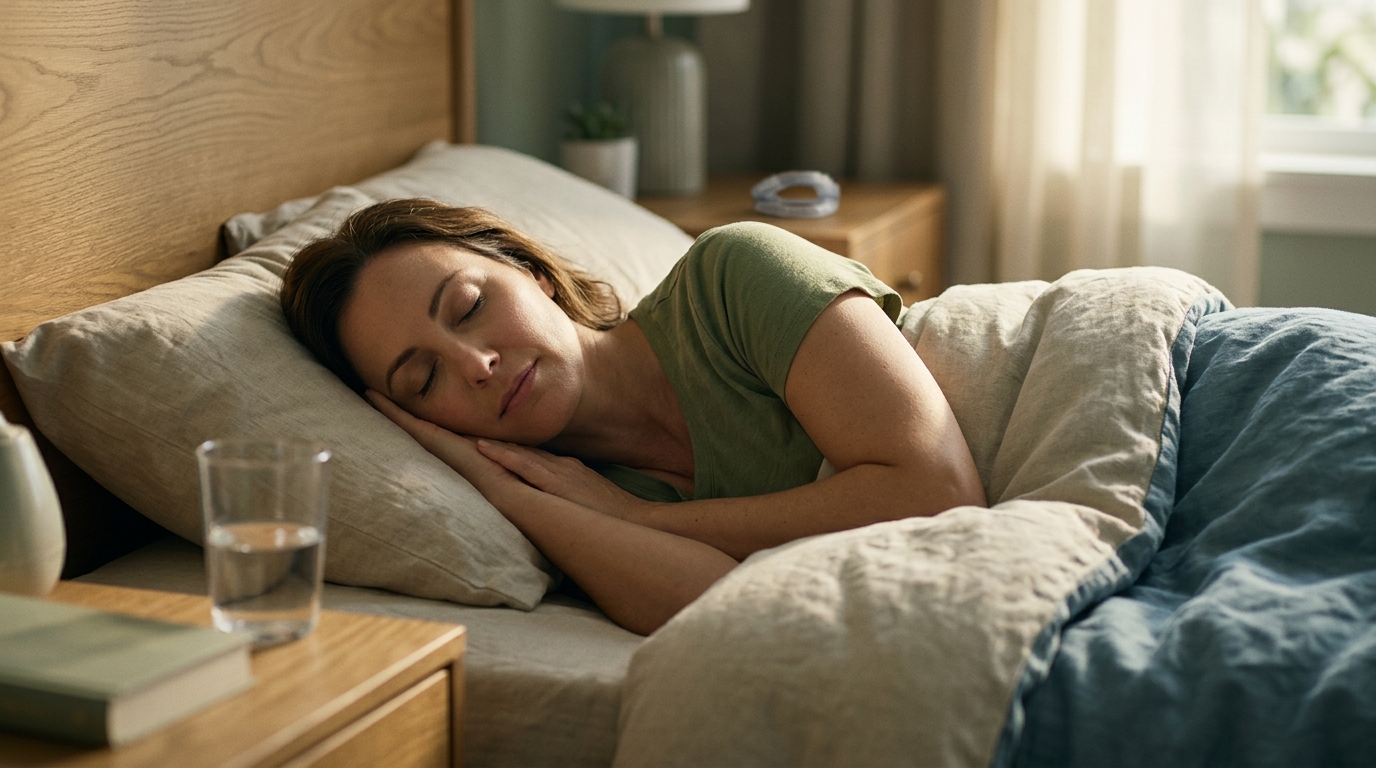
Greenleaf Dental in Winter Springs, Florida, provides comprehensive dental care and emergency services to the 32708 community. While the practice focuses on general and urgent oral health, patients often ask about sleep apnea treatment options. This guide explains how dental professionals address sleep apnea, specifically through oral appliance therapy. It covers the mechanics of treatment, the benefits of custom devices, and how to determine if you are a candidate for dental sleep medicine.
Sleep Apnea Treatment Overview
Sleep apnea is a serious sleep disorder characterized by repeated interruptions in breathing during sleep. These pauses, known as apneas, can last from a few seconds to minutes and may occur hundreds of times per night. The most common form, obstructive sleep apnea (OSA), occurs when the muscles in the back of the throat become too relaxed, causing the airway to collapse. This collapse prevents adequate oxygen from reaching the body, leading to fragmented sleep and reduced oxygen levels. For additional details, review the .
Untreated sleep apnea is associated with significant health risks, including high blood pressure, heart disease, stroke, and type 2 diabetes. The American Academy of Sleep Medicine emphasizes that effective treatment is critical for long-term health. While continuous positive airway pressure (CPAP) therapy is the gold standard for many patients, not everyone tolerates or adheres to CPAP masks. This is where dental sleep medicine becomes a vital alternative. Dentists trained in sleep medicine can diagnose and treat mild to moderate OSA using oral appliances that keep the airway open during sleep. For additional details, review the Customer Experience.
Diagnosis and Referral
Oral Appliance Therapy Explained
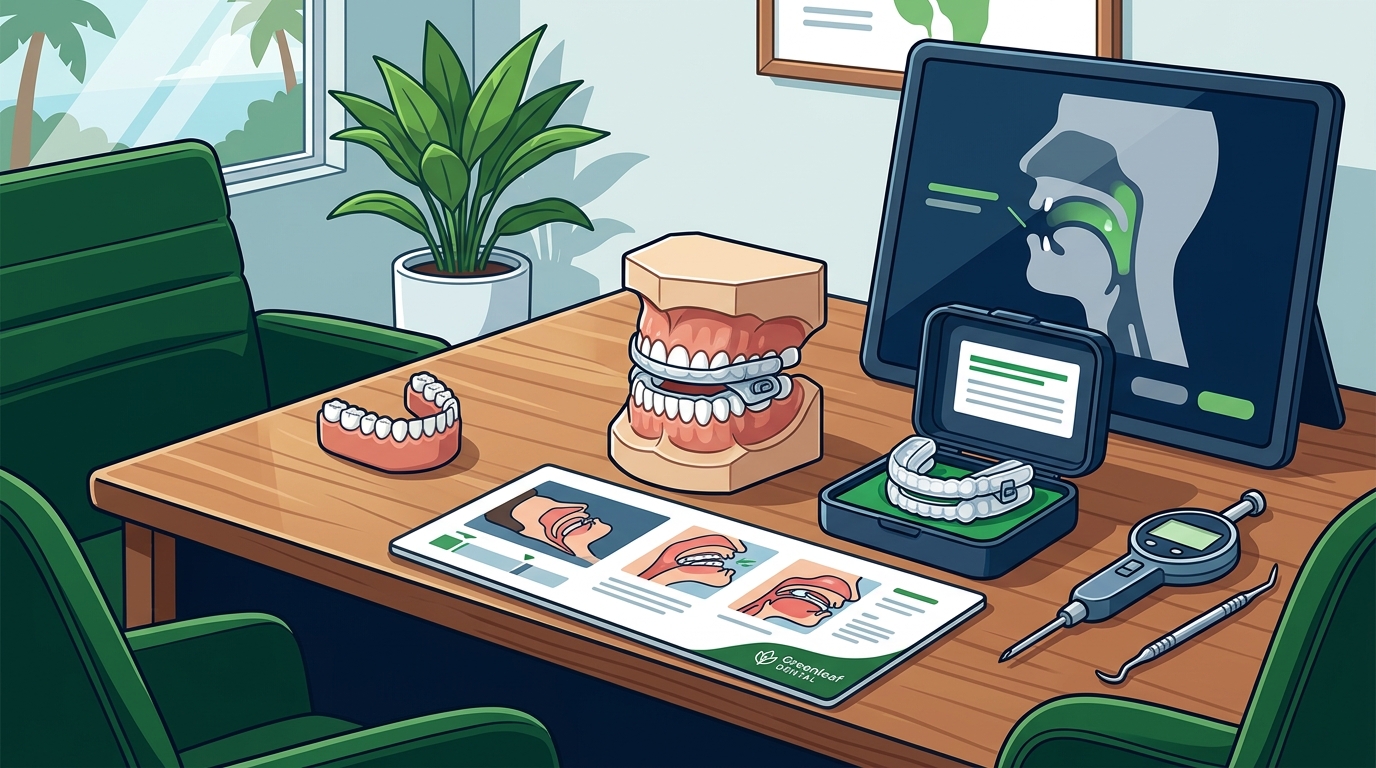
Unlike off-the-shelf mouthguards, custom oral appliances are fabricated specifically for the patient's dental anatomy. This customization ensures a better fit, greater comfort, and more effective treatment. The device is typically made from durable, biocompatible materials and can be adjusted over time to optimize its effectiveness. Patients often report that oral appliances are easier to use than CPAP machines, as they are quiet, portable, and do not require electricity or bulky equipment. This makes them an attractive option for travelers or those who find CPAP masks uncomfortable. For additional details, review the Frequently Asked Questions.
How the Device Works
The primary mechanism of an oral appliance is mandibular advancement. By positioning the lower jaw forward, the device stretches the tissues of the throat and increases the size of the airway. This reduces the resistance to airflow and prevents the collapse that causes apnea. The amount of jaw advancement is carefully calibrated by the dentist to balance effectiveness with comfort. Too much advancement can cause jaw pain or dental changes, while too little may not adequately treat the apnea. Regular follow-up appointments allow the dentist to monitor progress and make necessary adjustments. For additional details, review the About.
Benefits for Patients
Treatment Options Comparison
Choosing the right treatment for sleep apnea depends on the severity of the condition, patient preference, and lifestyle factors. The table below compares the two most common treatments: CPAP therapy and oral appliance therapy.
| Best For | Moderate to Severe OSA | Mild to Moderate OSA |
| Compliance Rate | Lower (due to discomfort) | Higher (due to comfort) |
| Portability | Low (requires power source) | High (battery-free, compact) |
| Noise Level | Moderate (machine hum) | None (silent) |
| Cost | Higher upfront, insurance coverage varies | Lower upfront, insurance coverage varies |
| Adjustment | Pressure settings adjusted by physician | Jaw position adjusted by dentist |
Key Takeaways
- Sleep apnea is a serious condition that requires diagnosis and treatment to prevent long-term health complications.
- Oral appliance therapy is a non-invasive, effective treatment for mild to moderate obstructive sleep apnea.
- Custom oral appliances are more comfortable and portable than CPAP machines, leading to higher patient compliance.
- Dentists play a crucial role in sleep apnea management by fabricating and adjusting oral devices.
- Regular follow-up appointments are essential to monitor treatment effectiveness and make necessary adjustments.
- Patients should consult with a sleep physician for diagnosis and a dentist for oral appliance therapy.
Frequently Asked Questions
Does Greenleaf Dental offer sleep apnea treatment?
Greenleaf Dental focuses on comprehensive and emergency dental care. While the practice may not fabricate oral appliances on-site, they can provide guidance on sleep apnea and refer patients to specialists if needed. Patients should consult their primary care physician or a sleep specialist for diagnosis and treatment planning.
What is the difference between CPAP and oral appliance therapy?
How long does it take to get an oral appliance?
The process typically involves two to three appointments. The first is for impressions and measurements, the second for fitting and adjustment, and the third for follow-up. The entire process usually takes about two to four weeks.
Are oral appliances covered by insurance?
Many insurance plans cover oral appliance therapy for sleep apnea, but coverage varies. Patients should check with their insurance provider to understand their benefits and any out-of-pocket costs.
Can I use an oral appliance if I have missing teeth?
How often do I need to see my dentist for adjustments?
Patients typically need follow-up appointments every three to six months to monitor the appliance's effectiveness and make any necessary adjustments. More frequent visits may be required if the patient experiences changes in their sleep or dental health.