

Defining Oral Conscious Sedation
How the Medication Works
The sedative component induces a state of deep relaxation, while the analgesic component helps manage any discomfort. Patients often feel calm and may even doze off, but they can be easily awakened if needed. This balance ensures safety while effectively addressing the root cause of dental anxiety. For additional details, review the .
Benefits for Nervous Patients
Conscious sedation is very useful in encouraging patient cooperation and improving overall patient satisfaction with dental treatment, according to a systematic review published in PMC. For patients who have avoided the dentist due to fear, this method provides a bridge to better oral health. It reduces the physiological stress response, lowering heart rate and blood pressure during the procedure. For additional details, review the Customer Experience.
Reducing Anxiety and Fear
Many patients experience significant anxiety when sitting in the dental chair. Oral sedation helps mitigate this fear by creating a calming environment. Patients often report feeling a sense of detachment from the procedure, which makes the experience less intimidating. This psychological relief is crucial for patients with a history of traumatic dental experiences. For additional details, review the Frequently Asked Questions.
Safety and Monitoring
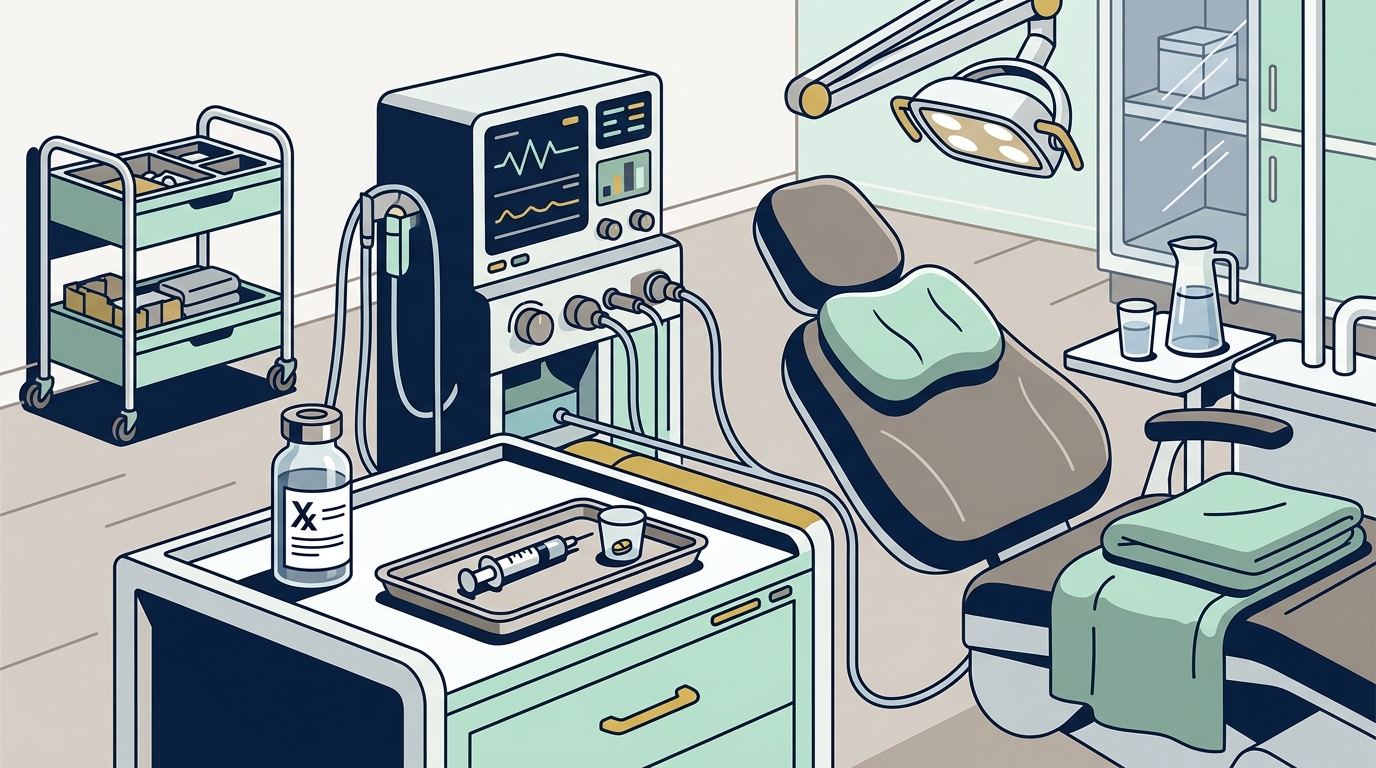
Safety is the primary concern when administering any form of sedation. During the procedure, the dental team continuously monitors vital signs, including oxygen levels, blood pressure, and heart rate. This ensures that the patient remains in a safe, conscious state throughout the appointment. The practice follows strict protocols to manage any potential side effects. For additional details, review the About.
Pre-Procedure Requirements
Patients must follow specific instructions before the appointment, such as fasting for a certain period. Because the medication can impair judgment and coordination, patients must arrange for a responsible adult to drive them home. This requirement ensures that the patient recovers safely in a familiar environment after the procedure.
The Patient Experience at Greenleaf Dental
At Greenleaf Dental, the focus is on creating a welcoming environment for patients in the Winter Springs community. The team explains the sedation process in detail before the appointment to build trust. Patients are encouraged to ask questions and express their concerns, ensuring they feel informed and comfortable. This personalized approach helps alleviate the uncertainty that often fuels dental anxiety.
Recovery and Aftercare
After the procedure, patients may feel groggy or drowsy for several hours. The dental team provides clear aftercare instructions to guide the recovery process. Most patients return to their normal activities the next day, feeling relieved to have completed their dental care. This positive experience often encourages patients to schedule regular checkups in the future.
Key Takeaways
- It is an effective method for reducing dental anxiety and improving cooperation.
- Patients remain conscious and can respond to verbal commands during the procedure.
- Continuous monitoring of vital signs ensures patient safety throughout the treatment.
- Patients must arrange for a ride home due to the effects of the medication.
- Greenleaf Dental provides a supportive environment for anxious patients in Winter Springs.
Frequently Asked Questions
Is oral conscious sedation safe?
Yes, when administered by a qualified dental professional, oral conscious sedation is considered safe. The team monitors vital signs throughout the procedure to ensure the patient remains stable.
Will I be fully asleep during the procedure?
No, you will remain conscious and aware of your surroundings. You may feel relaxed or drowsy, but you can be easily awakened if necessary.
How long does the sedation last?
The effects of oral sedation can last for several hours after the procedure. This is why it is important to have someone drive you home.
Who is a good candidate for oral sedation?
Patients with mild to moderate dental anxiety are often good candidates. The dental team will evaluate your medical history to determine if this method is appropriate for you.
Can I eat before the appointment?
Usually, you will be instructed to fast for a certain period before the appointment. Follow the specific guidelines provided by your dental team. Learn more: greenleaf dental.