
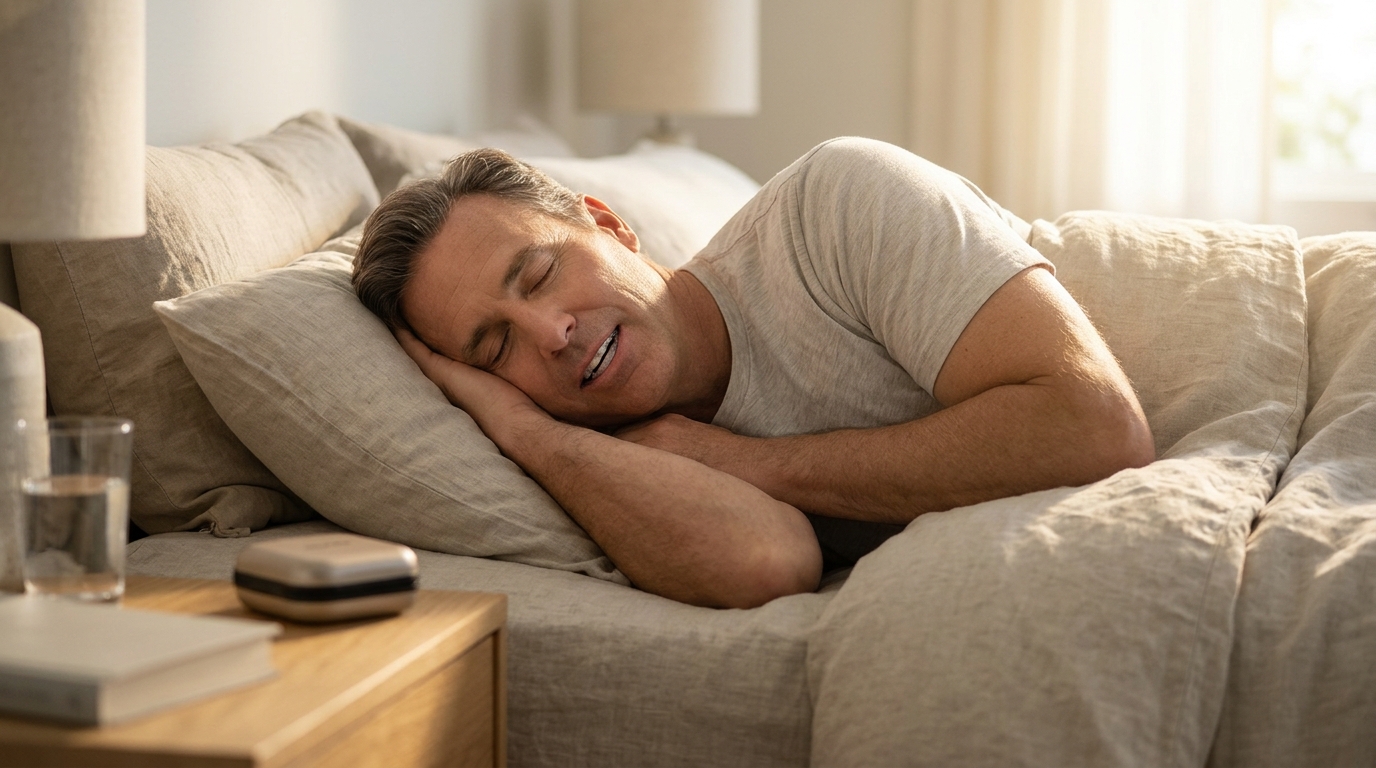
Oral appliance therapy treats sleep apnea by repositioning the jaw and tongue to keep airways open during sleep. This non-surgical approach is a clinically validated alternative to CPAP for mild to moderate cases. Greenleaf Dental in Winter Springs, Florida, provides custom-fitted devices that improve breathing quality without invasive procedures. Patients often find this method more comfortable and easier to maintain than traditional mask-based treatments.
The Mechanism of Mandibular Advancement Devices
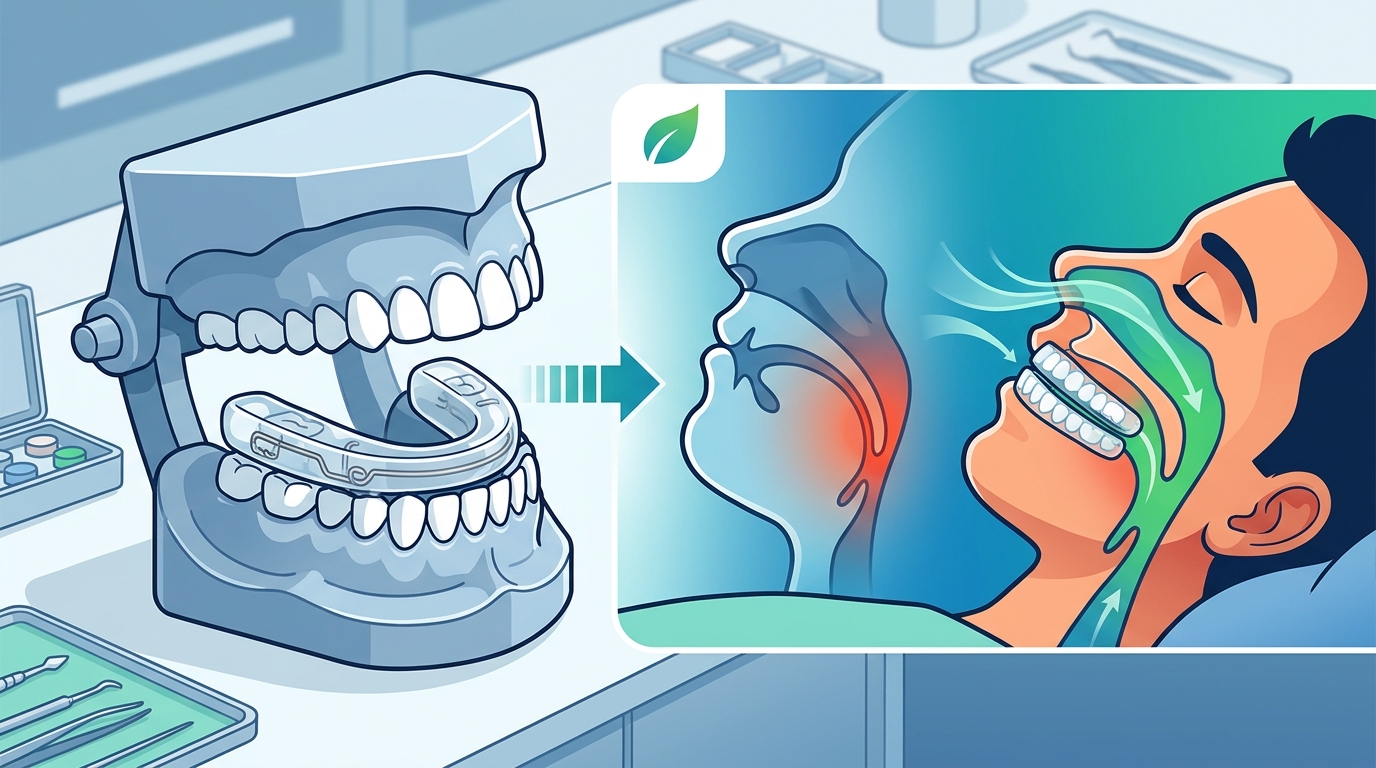
Mandibular advancement devices (MADs) are the most common type of oral appliance used for sleep apnea. A mandibular advancement device is a custom-fitted oral appliance that holds the lower jaw slightly forward. This forward positioning stretches the soft tissues of the throat, preventing the collapse that causes breathing pauses. By maintaining this position, the device ensures a continuous airflow throughout the night.
The effectiveness of this mechanism relies on the anatomical relationship between the jaw and the airway. When the jaw is pulled forward, the tongue moves with it, creating more space behind the tongue and soft palate. This physical change reduces the resistance to airflow. For patients with mild to moderate obstructive sleep apnea, this mechanical adjustment is often sufficient to eliminate apneic events.
Greenleaf Dental crafts these devices using precise dental impressions to ensure a comfortable fit. The customization process is critical because a generic over-the-counter device may not provide the necessary jaw advancement. A properly fitted appliance balances the need for airway patency with the comfort of the patient. This balance is key to long-term compliance and successful treatment outcomes.
Comparing Oral Appliances to CPAP Therapy
Compliance rates are a major factor in treatment success. Studies indicate that patients are more likely to use oral appliances consistently compared to CPAP machines. This higher adherence rate often leads to better long-term health outcomes. For those who cannot tolerate CPAP, an oral appliance provides a viable path to restful sleep. The lack of bulky equipment makes travel and daily life significantly easier for users.
It is important to note that oral appliances are generally recommended for mild to moderate cases. Severe sleep apnea may still require CPAP or surgical intervention. A thorough sleep study is necessary to determine the severity of the condition. Greenleaf Dental works with patients to assess their specific needs and recommend the most appropriate therapy. This collaborative approach ensures that the chosen treatment aligns with the patient's lifestyle and medical history.
The Customization Process at Greenleaf Dental
Long-Term Benefits and Health Implications
Key Takeaways
- Oral appliance therapy is a non-surgical treatment for mild to moderate sleep apnea.
- Mandibular advancement devices work by repositioning the jaw to keep airways open.
- Custom-fitted appliances from a dental professional are more effective than over-the-counter options.
- Patients often prefer oral appliances over CPAP due to higher comfort and compliance rates.
- Adjustable devices allow for fine-tuning to optimize therapeutic outcomes.
- Treating sleep apnea reduces the risk of cardiovascular diseases and improves daytime function.
Frequently Asked Questions
Is oral appliance therapy suitable for severe sleep apnea?
Oral appliance therapy is generally recommended for mild to moderate obstructive sleep apnea. For severe cases, CPAP therapy is often the preferred treatment. However, some patients with severe apnea may benefit from oral appliances if they cannot tolerate CPAP. A dentist and sleep specialist should evaluate the patient to determine the best course of action.
How long does it take to get used to an oral appliance?
Most patients adjust to their oral appliance within one to two weeks. Initial discomfort is common but usually subsides as the mouth adapts to the device. Consistent use is key to overcoming any initial awkwardness. Greenleaf Dental provides guidance to help patients through the adjustment period.
Can I eat or drink with the appliance in?
You should not eat or drink with the oral appliance in, except for water. Removing the appliance for meals is necessary to prevent damage to the device and to allow for proper chewing. After eating, the appliance should be cleaned before being reinserted. This routine helps maintain hygiene and device integrity.
Does oral appliance therapy require surgery?
No, oral appliance therapy is a non-surgical treatment. It involves the use of a custom-fitted dental device that is worn during sleep. There is no need for incisions or anesthesia. This makes it a less invasive option compared to surgical procedures for sleep apnea.
How often do I need to visit the dentist for adjustments?
Follow-up appointments are typically scheduled every few months to monitor progress and make adjustments. The dentist may adjust the jaw advancement mechanism to optimize the device's effectiveness. Regular check-ups ensure that the appliance continues to fit well and provide therapeutic benefits.
Is oral appliance therapy covered by insurance?
Insurance coverage for oral appliance therapy varies by provider and plan. Many insurance plans cover the cost if the device is prescribed by a dentist and supported by a sleep study. Patients should check with their insurance provider to understand their specific coverage. Greenleaf Dental can assist with insurance verification and documentation. Learn more: greenleaf dental.