

Yes, Greenleaf Dental in Winter Springs, Florida, provides same-day emergency dental care for residents in the 32708 area. This guide explains how to identify reliable after-hours options, what to expect during treatment, and how to protect your oral health when standard office hours do not apply.
How to Choose a Provider
Availability and Accessibility
Scope of Emergency Services
Not all dentists handle every type of emergency. Some focus only on extractions, while others manage complex trauma. Ensure the provider can handle your specific issue, such as a broken tooth or severe infection. Extractions and other urgent procedures should be clearly listed. A comprehensive practice can address a wider range of acute problems without referring you elsewhere.
What to Ask Before Committing
When you call an emergency line, specific questions determine the quality of care you will receive. Do not just ask if they are open. Ask about the specific steps for triage. You need to know if a dentist will evaluate you immediately or if you will wait for a callback. This distinction matters significantly for severe pain.
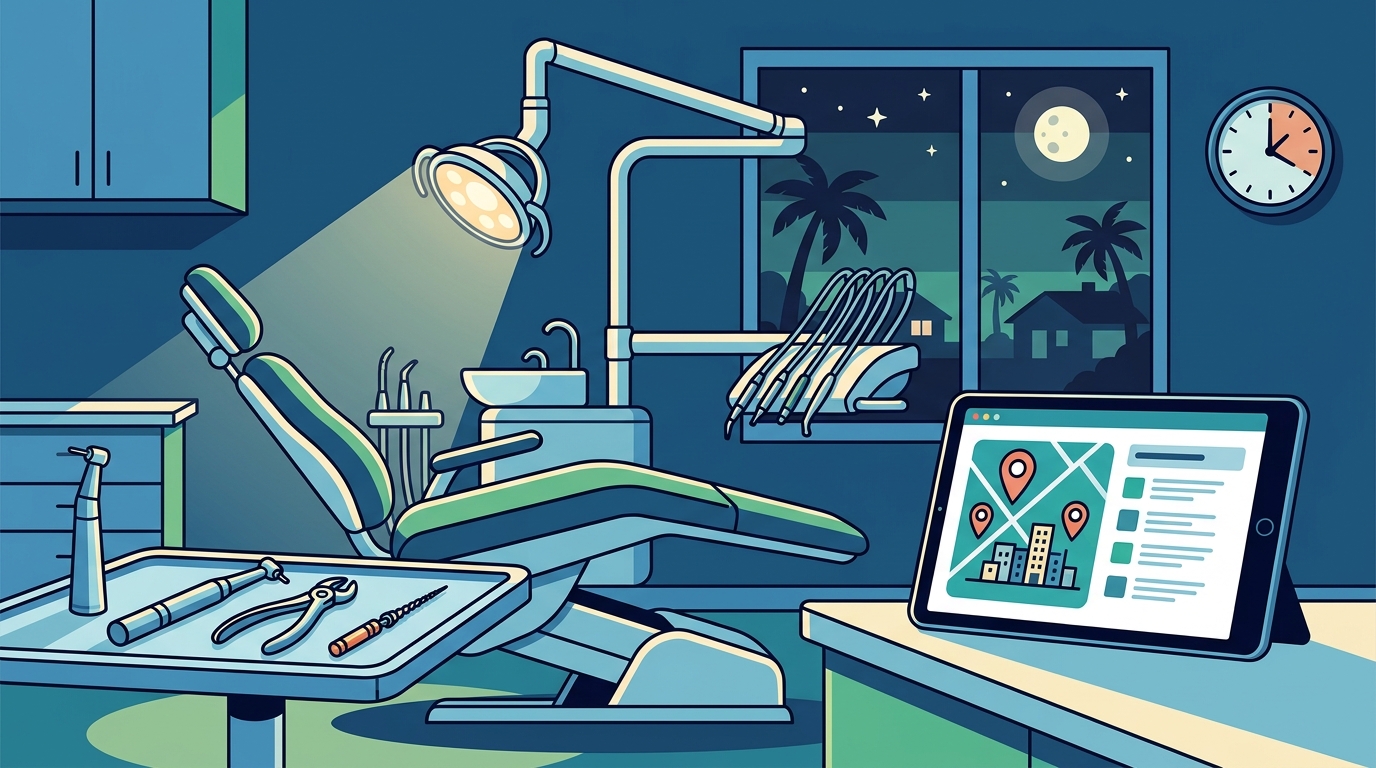
Key Questions for Triage
- Is a dentist available to see me today?
- What is the protocol for severe pain or swelling?
- Do you accept my insurance for emergency visits?
- What are the next steps after the initial evaluation?
These questions help you gauge the provider's readiness. A professional practice will have clear answers. They will guide you through the process without ambiguity. This reduces stress during a stressful time.
Insurance and Payment
Emergency care can be financially stressful. Ask about out-of-pocket costs before treatment begins. Clarify if the emergency visit is covered under your plan. Some plans cover emergency extractions but not restorative work. Knowing this upfront prevents surprises. It allows you to make informed decisions about treatment options.
How to Verify Credentials
Verifying a dentist's credentials is a simple but essential step. You can check state licensing boards to ensure the dentist is active and in good standing. This protects you from unlicensed practitioners. It also confirms that the provider has completed the necessary education and training. Always verify the specific dentist who will treat you, not just the office manager.
State Licensing Checks
Florida has specific requirements for dental licensure. You can search the state board's database to confirm a dentist's license status. This is a public record. It provides peace of mind that your provider is qualified. It also helps you identify any disciplinary actions. This step takes only a few minutes and is highly recommended.
Professional Affiliations
Membership in professional organizations can indicate a commitment to continuing education. While not a guarantee of quality, it shows the dentist stays current with best practices. Look for affiliations with recognized dental associations. This adds another layer of credibility to the provider. It suggests a dedication to high standards of care.
How Emergency Care Works
Understanding the process helps you prepare for your visit. The typical workflow involves triage, evaluation, and treatment. Triage determines the urgency of your case. Evaluation involves a clinical exam and possibly imaging. Treatment addresses the immediate issue. This structured approach ensures efficient care. It minimizes wait times for urgent cases.
Step-by-Step Process
- Call the emergency line and describe your symptoms.
- Receive triage instructions and an appointment time.
- Arrive at the office and check in.
- Undergo a clinical exam and diagnostic imaging.
- Discuss treatment options and consent to care.
- Receive treatment and post-operative instructions.
This sequence is standard for most practices. It ensures that urgent cases are seen first. It also allows for proper documentation. This is important for insurance and legal purposes.
Diagnostic Imaging
Imaging is often necessary to diagnose the underlying cause of pain. X-rays can reveal abscesses, fractures, or other issues not visible to the eye. Modern dental technologies allow for quick and accurate imaging. This helps the dentist plan the most effective treatment. It reduces the need for multiple visits.
What It Costs
Costs for emergency dental care vary based on the procedure. Simple evaluations may have a flat fee. More complex treatments, such as root canals or extractions, cost more. Insurance coverage plays a significant role in out-of-pocket expenses. It is important to get a cost estimate before treatment. This helps you budget for the visit. It also allows you to discuss payment options if needed. according to Dental Exam MedlinePlus
Factors Influencing Price
- Type of procedure (extraction, filling, root canal)
- Complexity of the case
- Insurance coverage and deductibles
- Time of day (after-hours premiums)
After-hours care may carry a premium. This reflects the inconvenience to the provider. However, it is often less expensive than an emergency room visit. Dental emergencies are best handled by dentists. They have the specialized training and equipment. This can save you money in the long run.
Payment Options
Common Mistakes to Avoid
Patients often make mistakes that delay or complicate emergency care. One common error is waiting too long to seek help. Pain may subside temporarily, but the underlying issue remains. This can lead to more severe complications. Another mistake is relying on over-the-counter pain relievers as a long-term solution. They mask symptoms but do not treat the cause. This can allow an infection to spread.
Delaying Treatment
Delaying care is the most significant risk. Dental infections can progress rapidly. They can affect other parts of the body. This is why prompt treatment is crucial. Do not ignore persistent pain or swelling. Seek professional evaluation as soon as possible. This prevents minor issues from becoming major problems.
Improper Home Care
Some patients attempt to treat dental issues at home. This can be dangerous. Applying heat to an infected area can worsen swelling. Using unsterilized tools can introduce new bacteria. Follow professional advice for home care. Use cold compresses for swelling. Avoid chewing on the affected side. These steps can help manage symptoms until you see a dentist.
Versus Alternatives
Comparison of Options
| Option | Availability | Treatment Capability | Cost |
|---|---|---|---|
| Dental Office | Same-day/After-hours | Full dental treatment | Varies by insurance |
| Emergency Room | 24/7 | Pain relief/antibiotics only | High out-of-pocket |
| Urgent Care | Extended hours | Limited dental care | Medium out-of-pocket |
| Telehealth | 24/7 | Advice only | Low cost |
A dental office is the best option for most emergencies. It provides definitive treatment. It is also more cost-effective. Use other options only if a dental office is unavailable. This ensures you receive the care you need.
For Specific Situations
Different emergencies require different approaches. A knocked-out tooth is a time-sensitive emergency. You must act quickly to save the tooth. A broken tooth may require a different treatment. Severe swelling indicates an infection that needs immediate attention. Understanding the specific nature of your emergency helps you prepare. It also helps you communicate effectively with the dentist.
Knocked-Out Tooth
If a tooth is knocked out, time is critical. Keep the tooth moist. Place it in milk or saliva. Do not scrub the root. Get to a dentist within 30 minutes for the best chance of reimplantation. This is a true emergency. Delay can result in permanent tooth loss. Act fast and follow these steps.
Severe Swelling
Swelling in the face or jaw indicates a serious infection. This can spread to the airway or brain. It is a medical emergency. Seek immediate care. Do not wait for the swelling to go down. Antibiotics and drainage may be necessary. This requires professional intervention. Do not attempt to drain the swelling at home.
Rules and Protections
Patients have rights when receiving dental care. You have the right to informed consent. This means you must understand the proposed treatment before it begins. You also have the right to refuse treatment. Your medical records are protected by privacy laws. These protections ensure that your care is ethical and safe. Be aware of these rights. They empower you to make informed decisions.
Informed Consent
Informed consent is a legal requirement. The dentist must explain the risks, benefits, and alternatives. You must agree to the treatment before it starts. This ensures that you are a partner in your care. It also protects the dentist from liability. If you do not understand the explanation, ask for clarification. Do not hesitate to ask questions.
Privacy and Records
Your dental records are confidential. They are protected by federal and state laws. The practice must keep your information secure. You have the right to access your records. You can also request corrections if there are errors. This ensures accuracy and transparency. It builds trust between you and your provider.
Local Specifics for Winter Springs
Winter Springs, Florida, has a specific dental landscape. The 32708 zip code is served by several practices. Greenleaf Dental is a local provider in this area. They focus on comprehensive and emergency care. The local community values accessible and reliable dental services. Knowing your local options is important. It helps you find care quickly in an emergency. Familiarize yourself with the practices in your area. This saves time when you need help.
Community Resources
Geographic Considerations
Winter Springs is located in Seminole County. It is close to Orlando. This means there are many dental options nearby. However, traffic can be an issue during emergencies. Choose a provider that is close to your home or work. This reduces travel time. It allows you to get care faster. This is especially important for time-sensitive emergencies.
Timing and Outcomes
Timing is crucial in dental emergencies. The sooner you seek care, the better the outcome. Delaying treatment can lead to complications. It can also increase the cost of care. For example, a simple filling may become a root canal if left untreated. This is more expensive and invasive. Acting quickly preserves your tooth. It also reduces pain and discomfort. Do not wait for the pain to go away. Seek care immediately.
Impact of Delay
Delay can have serious consequences. Infections can spread to other parts of the body. This can lead to systemic health issues. It can also result in tooth loss. This is permanent and requires replacement. Replacement options, such as implants, are more expensive. They also take longer to complete. Acting quickly avoids these negative outcomes. It protects your long-term oral health.
Optimal Timing
The optimal time to seek care is as soon as symptoms appear. Do not wait for the pain to become unbearable. This indicates that the problem has worsened. Early intervention is less painful and less costly. It also has a higher success rate. This is true for most dental emergencies. Act promptly to achieve the best results.
Results Over Time
Emergency dental care is often the first step in a longer treatment plan. The immediate goal is to relieve pain and stop the infection. The long-term goal is to restore function and aesthetics. This may require additional visits. For example, a root canal may be followed by a crown. This protects the tooth from breaking. It also restores its appearance. Understanding the long-term plan helps you prepare. It also helps you budget for future care.
Long-Term Maintenance
After emergency care, maintenance is essential. Regular check-ups and cleanings prevent future emergencies. Preventive dentistry is the best way to protect your teeth. It involves regular exams and cleanings. It also includes education on oral hygiene. This helps you maintain your results. It also helps you avoid new problems. Make an appointment for a follow-up visit. This ensures that your treatment is successful.
Monitoring Progress
Your dentist will monitor your progress over time. This involves regular check-ups and imaging. It ensures that the treatment is working. It also detects any new issues early. This proactive approach is key to long-term success. It helps you maintain a healthy smile. It also gives you peace of mind. Stay committed to your dental care plan.
Key Takeaways
- in Winter Springs offers same-day emergency care.
- Verify the dentist's credentials with the state licensing board.
- Ask specific questions about triage and insurance before committing.
- Do not delay treatment; acting quickly improves outcomes.
- Emergency rooms are not equipped for dental repairs.
- Understand the long-term treatment plan after emergency care.
- Preventive dentistry is the best way to avoid future emergencies.
- Know your local options in the 32708 area.
Frequently Asked Questions
Is there a dentist in Winter Springs available after hours?
Yes, Greenleaf Dental provides same-day emergency care. They are a trusted local provider for residents in the 32708 area. Check their website for specific after-hours protocols.
What should I do if I have a dental emergency?
Call a dental office immediately. Describe your symptoms and ask for an appointment. Do not wait for the pain to go away. Seek professional evaluation as soon as possible.
How much does emergency dental care cost?
Costs vary based on the procedure and insurance. Get a cost estimate before treatment. Ask about payment options if needed. This helps you budget for the visit.
Can I go to the emergency room for a dental issue?
Emergency rooms can provide pain relief and antibiotics. They cannot fix a broken tooth or perform dental repairs. A dental office is the best option for most emergencies.
How do I verify a dentist's credentials?
Check the state licensing board's database. This confirms that the dentist is active and in good standing. It is a simple and important step.
What is the best way to prevent dental emergencies?
Regular check-ups and cleanings are the best prevention. Dental hygiene and education help you maintain your oral health. Follow your dentist's advice on brushing and flossing.
What if I have a knocked-out tooth?
Keep the tooth moist and get to a dentist within 30 minutes. This gives you the best chance of saving the tooth. Do not scrub the root. Act fast.